

Pest management is a key aspect of maintaining public health, yet it is often underestimated. Infestations like rodents, bugs, and wood-destroying organisms not only pose a nuisance but can also spread illnesses, destroy belongings, and lead to serious health risks. Understanding the role of effective pest control is crucial for homeowners, renters, and businesses alike in creating a safe and wholesome environment.
With the increasing awareness of the dangers infestations can pose, it is important to identify the signs that indicate a need for expert help. Whether it’s dealing with a minor issue or a serious infestation, knowing how to choose the best pest control company and what to anticipate during a visit can make all the change. Moreover, awareness about prevention strategies and eco-friendly options provides individuals and communities with resources to safeguard their spaces without compromising health or safety. In this article, we will examine the various aspects of pest control and its significant impact on public health, offering understanding into effective approaches for maintaining your environment free from pests.
Recognizing the Need for Pest Control
Infestations can be not only a bother; they can cause serious health threats to inhabitants and visitors. Identifying clues that signal a pest problem is vital for maintaining a safe and hygienic living environment. Common indicators such as feces, chew marks, or a noticeable increase in pest encounters are clear signals that qualified pest control may be necessary. The presence of pests like rodents and insects often suggests that your home may have vulnerabilities that need fixing.
Another key sign is the appearance of damage to property. Pests such as wood-eating insects can cause significant structural damage if left unchecked, while ant colonies and roaches can taint food and surfaces. Regular inspections can help detect these problems before they grow. If you observe odd smells, especially from areas like walls or under sinks, it may signal a concealed pest problem that should not be ignored.
The importance of tackling pest infestations can vary depending on the type of pest and the severity of the problem. Many pests multiply quickly, making timely intervention crucial. Ignoring a pest problem can lead to more extensive infestations, higher treatment costs, and higher risk to health and hygiene. Being aware of these indicators and recognizing the need for prompt pest control can help protect your home and health.
Choosing the Right Pest Control Service
Identifying the appropriate pest control service is essential for effective pest management. Commence by investigating local companies and reading customer testimonials to assess their reputation. original site out licensed and insured providers, as this indicates they meet required safety and competency requirements. Ask for recommendations from companions or family who have had favorable experiences. A dependable company should be transparent about their approaches, services, and pricing.
Once you have a shortlist, reach out for estimates and consultations. During these discussions, pay close attention to how they respond to your questions and concerns. A qualified provider will take the time to clarify their approach, assess your pest problem effectively, and provide comprehensive information on their treatment plans. Avoid companies that hurry you into choices without addressing your questions.
Finally, think about the future partnership you want to forge with your pest control provider. Regular maintenance and inspections can help stop pests before they develop into a serious issue. Opt for a company that offers all-inclusive services and is willing to create a customized plan that fits your individual needs. This forward-thinking approach helps guarantee a pest-free space while also providing reassurance.
Grasping Pest Management Tactics
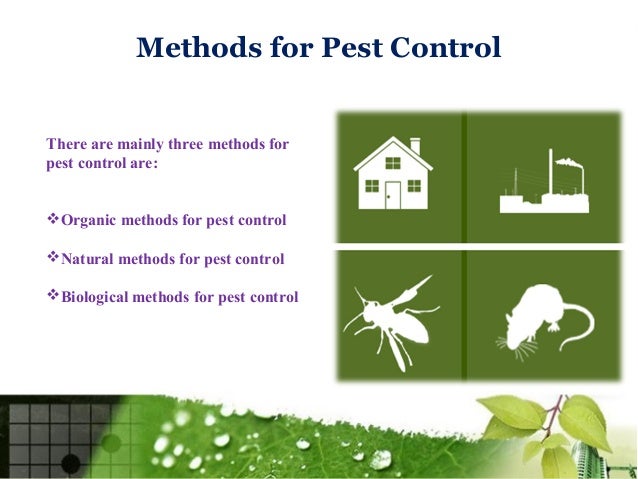
Efficient pest management strategies integrate several methods to reduce pest populations while guaranteeing safety and environmental responsibility. Integrated Pest Management (IPM) is a widely recognized approach that emphasizes comprehending pest biology and ecology, enabling preventive and control tactics that are effective and sustainable. IPM generally includes monitoring pest levels, spotting infestations early, and using a combination of biological, cultural, physical, and chemical strategies adapted to the specific pest problem.
Preventive measures play a vital role in pest management. By upholding cleanliness, sealing entry points, and creating an unfavorable environment for pests, homeowners and businesses can significantly lower the likelihood of infestations. Regular inspections and maintenance can detect potential issues before they worsen. Knowing the habits and lifecycle of pests allows for proactive measures that discourage them from taking a presence in homes or properties.
When pest problems arise, suitable treatment strategies become essential. This involves identifying appropriate control measures that are effective against particular pests while considering the safety of inhabitants and pets. Eco-friendly options are increasingly popular, centering on natural ingredients and approaches. Additionally, check here with professional pest control services guarantees that interventions are both compliant with health regulations and efficient, leading to long-term pest management solutions.