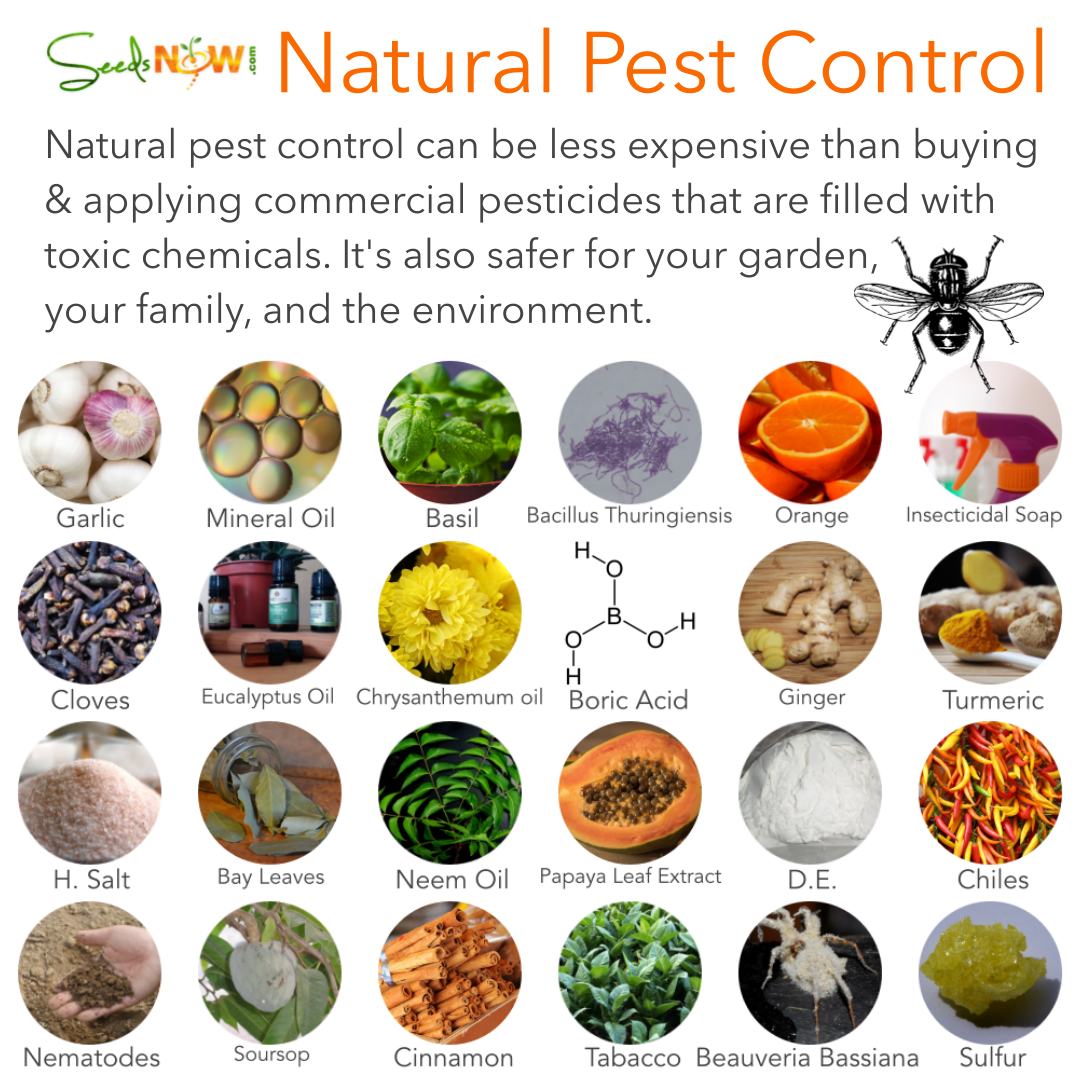
When it comes to keeping a secure and pleasant living environment, pest management is an essential service that often goes overlooked until it's just long overdue. Many homeowners may notice the clear signs of a pest problem but are uncertain about whether to tackle it themselves or contact the experts. Grasping the details of pest control regulations and rules can help you make knowledgeable decisions, ensuring that both your home and the surrounding environment are protected.
In this article will walk you through the critical aspects of pest management, from identifying the top signs that you need professional pest control to choosing the right company for your needs. With information into the most common household pests and successful treatment strategies, you’ll learn why DIY solutions aren’t always the best choice and what to anticipate during a pest control visit. Additionally, we’ll explore preventative measures that can help you time and money in the long run, making it simpler for you to protect your home from unwanted invaders throughout the year.
Recognizing Pest Problems
The primary action in successful pest control is noticing the clues of an invasion. A lot of homeowners may miss small signals at the beginning, such as unusual droppings, gnaw marks, or nests. But, these little clues can provide important clues about the species of pests invading your house. Pests like ants and roaches often leave marks or observable damage, while rodents may create holes in walls or chew through insulation. Staying vigilant can help you catch a pest issue early before it develops into a larger issue.
Another key aspect of recognizing pest problems is understanding the common household pests. Getting familiar yourself with the behaviors, environments, and life cycles of pests like termites, bed bugs, and mice can aid in spotting an infestation more quickly. Each species of pest may exhibit distinct characteristics or patterns that, when noted, can guide appropriate action. Being aware of what to observe can empower you to act swiftly and effectively, lessening the chance for further damage to your house.
Lastly, property owners should be aware of specific risk factors that make their houses more inviting to pests. description as inadequate sanitation, clutter, and leaks can lure various pests. Conducting an examination of your house regularly to check for clues of moisture, food sources, and entry points can help in ensuring a pest-free environment. By being vigilant and watchful, you can eliminate possibilities for pests to flourish, protecting your home from unwanted pests.
Deciding on a Extermination Company
When deciding on a extermination company, it is crucial to consider the company's standing and expertise in the industry. Start by researching local pest management companies and reviewing reviews from former clients. This can offer information into their level of service and efficacy. Additionally, verify for garden pest control that may be necessary in your area, as these indicate that the company follows to industry norms and requirements.
Another important factor is the selection of options offered. Some pest control companies focus in specific categories of pests, while others may provide broad treatments for a variety of pests. Determine what infestations you are contending with and ensure that the company you select has experience in controlling those particular infestations. It’s also advantageous to ask about their extermination techniques, especially regarding green options, if that is a consideration for you.
Lastly, think about the pricing and assurances provided by the pest control service. Obtain quotes from multiple providers to evaluate costs and verify you are getting reasonable pricing. A reputable company should also offer guarantees to confirm the effectiveness of their services. This can give reassurance knowing that if vermin return, the company will resolve the issue without further charges. Ensure to review the details of any terms before agreeing to a company.
Prevention and Maintenance
Maintaining a pest-free environment demands ongoing attention and consistent preventive measures. One of the key effective strategies is to frequently inspect your home for any signs of pest activity. Look for droppings, nests, or any deterioration to your property that could indicate the presence of pests. Additionally, sealing cracks and crevices in walls, around doors and windows, and fixing any leaks can significantly reduce the likelihood of infestations. A proactive approach, including regular inspections, is key to catching potential problems before they worsen.
Another essential component of prevention is cleanliness. Reducing clutter and ensuring that food is kept properly can render your home less attractive to pests. Consistently cleaning areas such as kitchens and dining spaces, as well as quickly addressing spills and crumbs, can diminish the chances of pests like ants and roaches invading on your space. Furthermore, throwing away of garbage in sealed containers and maintaining a tidy yard will discourage rodents and other pests that thrive in unkempt environments.
Finally, consider establishing a consistent pest control maintenance schedule with a licensed company. Seasonal treatments can help address specific pests that are common at various times of the year, ensuring that your home is safeguarded against invasions. This, combined with your own vigilance and preventive practices, can create a robust defense against pests, safeguarding your home and your family's health.